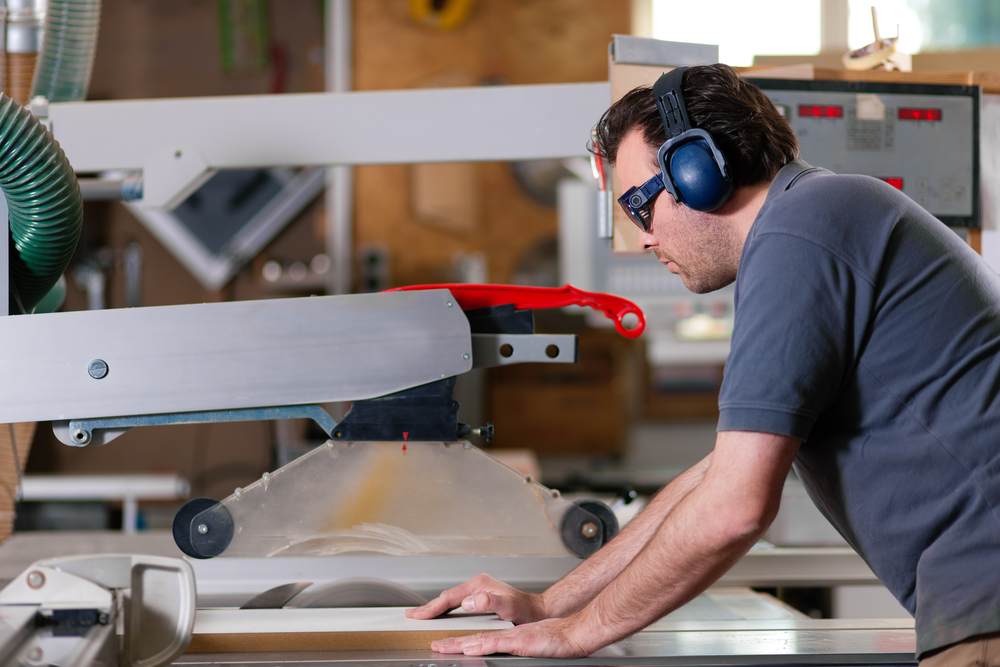
Working a long time around loud noise can drastically impact your hearing, especially when sound intensity exceeds safe limits. You must safeguard your ears; this is important for more than preventing hearing loss—it also helps you keep focus in noisy conditions. The question then is, how do you select the optimal level of protection necessary for your specific requirements?
How noise levels affect your hearing
When assessing the impact of noise, the length of exposure is as critical as the sound’s volume. The key measurement for assessing noise levels is decibels, a unit used to quantify sound loudness. Once noise reaches a level of 85 dB or above, it carries a danger to your hearing, mainly if the exposure is prolonged.
As a frame of reference, 85 dB is roughly the same loudness as the sound of city traffic heard from within a car. Though this volume might not seem excessive, spending eight hours in it continuously can lead to hearing impairment. The more intense the sound, the shorter the safe exposure time:
- 90 dB (Lawnmower): Up to 4 hours of exposure can be harmful.
- Exposure to 100 dB (Power tools) must be restricted to a maximum of 60 minutes.
- Only 15 minutes of exposure to 110 dB (like a Leaf blower) is enough to cause harm.
- Your hearing can be harmed by any exposure to a 120 dB sound (Rock concert).
- Exposure to 140 dB (Jet engine) results in immediate damage and intense pain.
Recognizing dangerous sound volumes
Anyone often around noise at 85 dB or higher, hearing protection becomes a critical requirement. This holds most true in professional settings, such as plants, building areas, or locations where equipment, tools, or gear generate high levels of noise.
Beyond the work setting, situations like recreational shooting sports, using leaf blowers, or going to concerts are cases where you may gain an advantage from using hearing protection due to the dangerous noise exposure.
Selecting hearing protection: Noise Reduction Ratings
Hearing protection performance is rated using the Noise Reduction Rating (NRR) scale. Quantified in decibels, this figure signifies the level of sound blockage the protector offers. More substantial protection is shown by a higher NRR value. For instance, earplugs with an NRR of 30 dB can decrease an 85 dB noise level to 55 dB, placing you well within safe exposure bounds.
When finding hearing protection, evaluate the specific noise levels you’re exposed to and verify your choice offers enough reduction to stay below the 85 dB limit.
Comfort is important: the key to consistent protection
The NRR is certainly significant, but comfort is an equally significant component in achieving consistent, long-term use. An ill-fitting or cumbersome protective unit raises the temptation to remove it, which exposes your ears to hazardous noise.
Choosing comfortable hearing protection results in continuous wear, thus lowering the threat that you will be exposed to noise intermittently. If, for example, earmuffs feel ill-fitting or weigh too much, you are inclined to take them off occasionally, resulting in harmful noise exposure.
The main forms of hearing protection equipment
Different varieties of hearing protection exist, and each one offers unique pros and disadvantages:
- Foam Earplugs are worn in the ear canal and deliver excellent protection; they are disposable and light, but not everyone finds them comfortable.
- Resting right outside the ear canal, Pre-Molded Earplugs are reusable and thus a more eco-friendly choice. They are simpler to take out and put in than their foam counterparts.
- Earmuffs: Earmuffs cover the entire ear and are ideal for environments with fluctuating noise levels, as they’re easy to put on and take off. However, they may feel heavy or warm during extended use.
Your selection should be guided by your comfort tastes and the requirements imposed by your environment. By way of illustration, a construction worker might choose earmuffs for their convenience, while someone working in a factory may prefer earplugs for uninterrupted use.
Ensuring continuous use
The most effective hearing protection is always the protector that you consistently wear. Even a brief period without protection can cause long-term consequences on your auditory health. It is extremely important to find a solution that optimizes between comfort, protection, and convenience for this reason.
Ensure your long-term hearing health
Even though noise is an unavoidable part of life, appropriate hearing protection allows you to safeguard your hearing while still enjoying the sounds surrounding you.
Connect with us now to assess your risk of noise-induced hearing loss and find out how to effectively preserve your hearing health.